
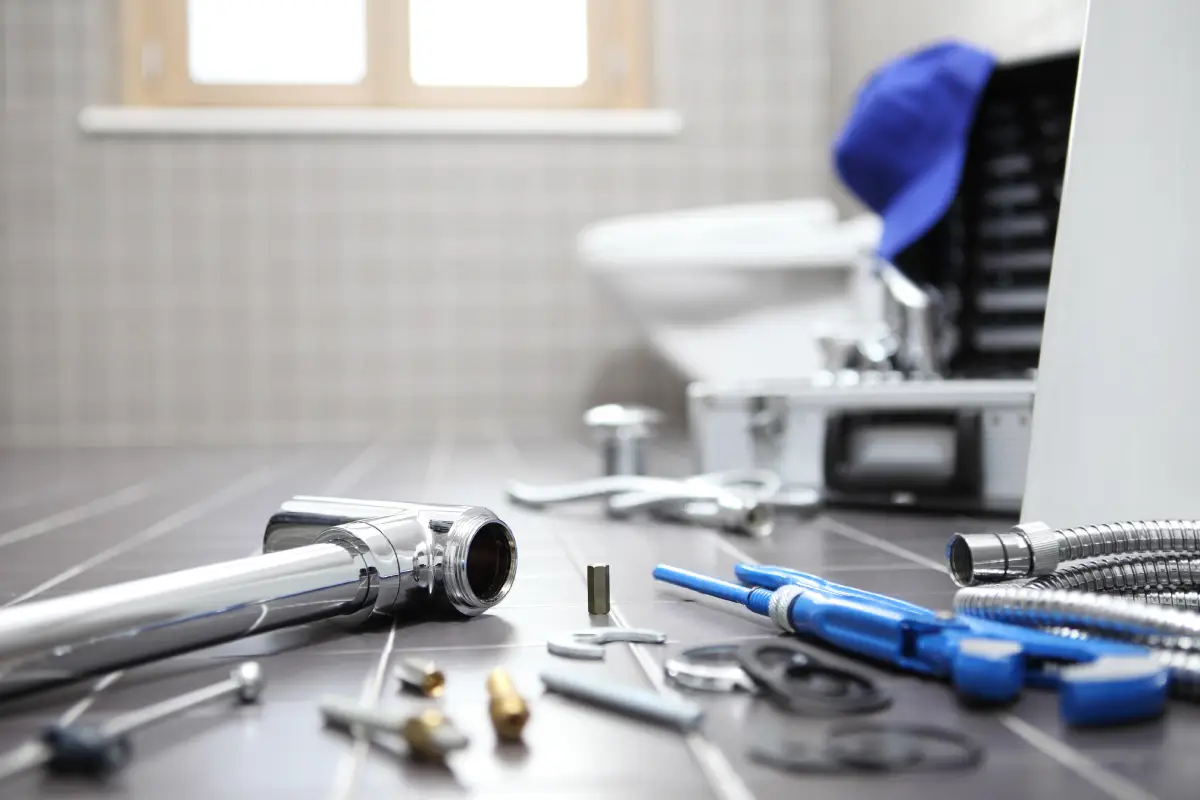
Every property owner deals with the occasional repair call, but when the same issue keeps coming back, it usually means something bigger is going on. If you've noticed a pattern of similar work orders on your Framingham rental, it might be worth reviewing your maintenance services options before the next call turns into something more expensive.
At PMI MassBay, we've seen how easy it is for owners to treat each repair as an isolated event. But when you step back and look at the full history, a different picture often emerges, one that points toward systems reaching the end of their useful life rather than a string of bad luck.
Key Takeaways
- Frequent repairs on the same system usually mean the underlying component is aging out, not experiencing random failures.
- Reviewing repair history over time reveals patterns that a single work order can't show.
- Waiting for full failure typically costs more than planning ahead for replacement.
- Tenants notice and appreciate when problems get solved at the source instead of being patched repeatedly.
- Budgeting for capital improvements in advance smooths out cash flow and avoids emergency spending.
What Repeated Repairs Are Really Telling You
A leaky faucet here, a tripped breaker there. On their own, these things don't seem alarming. But according to the U.S. Census Bureau's American Housing Survey, the median age of owner-occupied homes nationally is 41 years, and that age brings a higher chance that plumbing, electrical, and HVAC systems will need attention more often as materials wear down.
Rental properties are no exception. When the same type of repair shows up again and again, it's rarely a coincidence. Materials degrade gradually, and one fix rarely addresses what's happening throughout the rest of the system.
Owners in Framingham commonly see recurring issues with:
- Water heaters and plumbing lines
- HVAC units nearing the end of their service life
- Roofing and exterior siding
- Aging windows and door seals
When several of these categories start showing up in your repair logs at once, it's a strong signal that replacement, not another repair, is the smarter financial move.
The Hidden Cost of Treating Symptoms Instead of Causes
It's tempting to approve the quick fix every time, especially when the cost looks small in isolation. The problem is that these small costs add up fast, and they rarely solve the actual issue.
Corrosion inside old pipes, for example, doesn't go away because you replaced one fitting. Worn flashing on a roof doesn't stop leaking just because you patched one spot. The underlying wear keeps progressing even after the visible symptom is gone.
A few signs suggest you've moved past the point where repairs still make financial sense:
Rising Frequency of Service Calls
If your contractor is coming out for a similar issue every few months, the system itself is likely the problem, not the specific part that failed.
Mounting Repair Costs Over Time
Each visit includes labor, materials, and scheduling costs. Add them up across a year and compare that total to the cost of replacement. The math often favors replacing sooner than owners expect.
Collateral Damage
Recurring plumbing issues, for instance, can quietly damage drywall, flooring, and cabinetry long before anyone notices the full extent of the damage.
Reading Your Maintenance History Like a Roadmap
One work order tells you almost nothing on its own. A full maintenance history, though, tells a much richer story about how your property is aging and where your next investment should go.
Research from the Joint Center for Housing Studies of Harvard University found that homeowners spent an estimated $503 billion in 2024 on remodeling and repair work, a figure that reflects just how much ongoing investment aging housing stock across the country actually requires.
Reviewing your own records regularly can reveal patterns such as:
- Plumbing leaks that keep showing up in the same part of the property
- HVAC repairs that cluster around seasonal temperature swings
- Appliance failures happening closer together than they used to
- Roof repairs following every major storm
Once you start tracking these trends instead of reacting to each call individually, budgeting for the future becomes far more predictable.
Turning Repair Data Into a Capital Improvement Plan
Every rental eventually needs major work done. The real challenge is figuring out which project should happen first, and recurring repairs are one of the clearest ways to answer that question.
Coordinating a large replacement project takes more than picking a contractor. Our project management services handle scheduling, budgeting, and quality control so the work gets done right the first time.
When deciding what to prioritize, weigh a few factors:
- How the total repair cost compares to a full replacement
- The expected remaining lifespan of the system in question
- How reliability affects tenant satisfaction and renewal rates
- Whether spreading the cost over a planned timeline makes more sense than an emergency expense
Owners who plan capital improvements ahead of time consistently avoid the financial shock that comes with sudden system failure.
Getting Ahead of the Next Big Repair
Waiting until a system fails completely almost always costs more, in dollars, in tenant frustration, and in property damage that could have been avoided. A free rental analysis can help you see where your property stands and whether upcoming repairs point to a bigger investment on the horizon.
Staying ahead of problems usually comes down to a few habits:
- Scheduling annual inspections for major systems
- Servicing HVAC equipment before each season begins
- Evaluating the roofing condition after severe weather
- Keeping up with routine plumbing and exterior maintenance
Tenants notice this kind of consistency too. A property that rarely has ongoing issues tends to keep residents longer and reduce turnover-related costs.
FAQs about Aging Property Systems in Framingham, MA
Is it worth replacing a system that's technically still working?
Often, yes. If repairs keep piling up or the system is near the end of its typical lifespan, replacing it ahead of a full failure usually saves money and prevents damage to other parts of the property.
Can updating older systems actually help my rental income?
It can help indirectly. Updated systems tend to improve tenant satisfaction and reduce vacancy time, which supports steadier rental income even though it's not a guaranteed increase.
How do I plan financially for a major system replacement?
Start by reviewing your repair history each year, estimate how much life is left in your major systems, and set aside reserve funds gradually so a big expense doesn't catch you off guard.
Does neglecting repairs affect my insurance coverage?
It can. If deferred maintenance contributes to damage that could have been prevented, insurers may scrutinize the claim more closely. Keeping systems in good condition helps avoid that situation entirely.
Should I get a professional assessment before deciding between repair and replacement?
Yes. A professional evaluation gives you a clear picture of what's actually happening with your major systems and helps you make a confident decision instead of guessing.
Stop Guessing and Start Planning
Recurring repairs aren't just an inconvenience; they're information. Framingham property owners who pay attention to these patterns can plan replacements on their own schedule instead of scrambling after something fails. PMI MassBay helps owners across Framingham stay ahead of these decisions with clear data and steady support.
Get your free rental analysis today and find out where your property stands before the next repair call comes in.